Your Cart is Empty

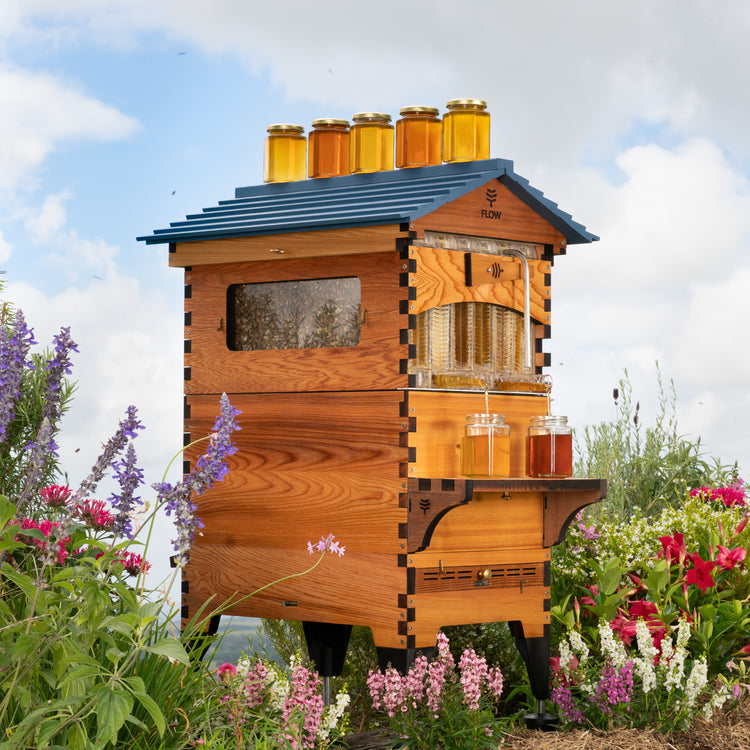
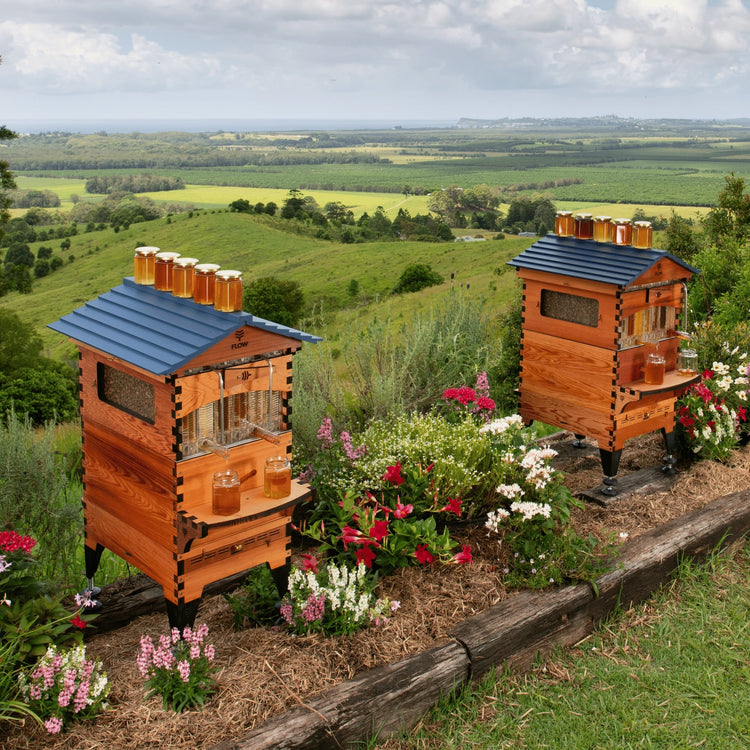
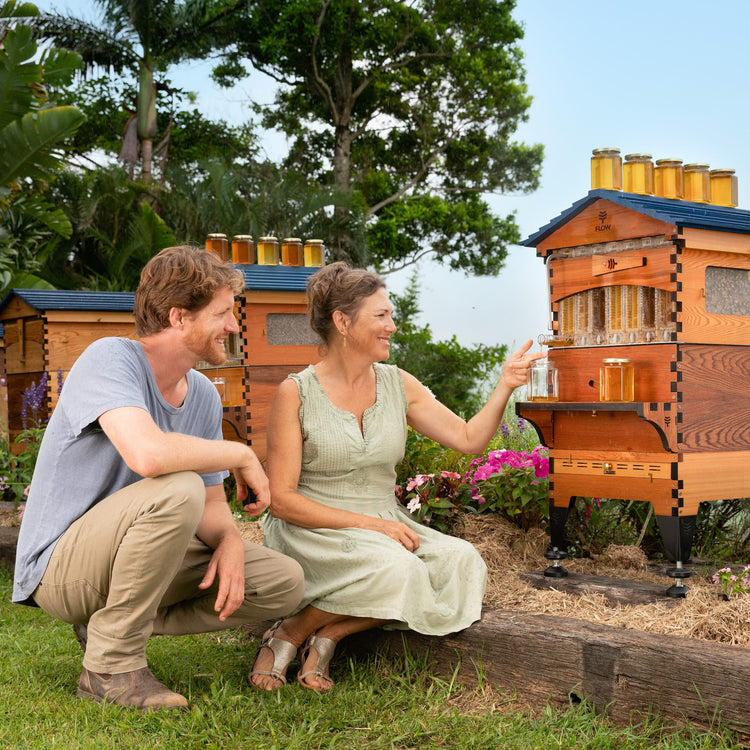
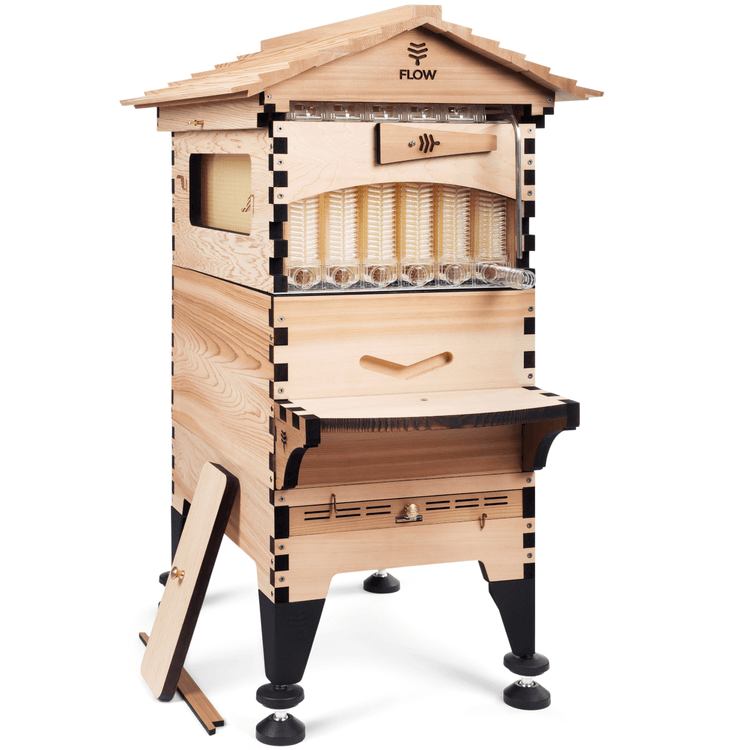
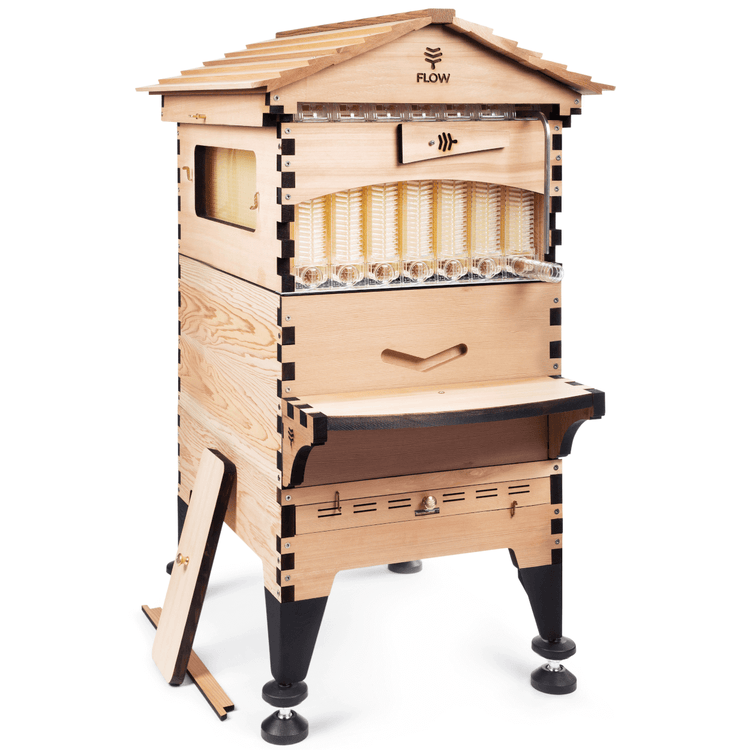
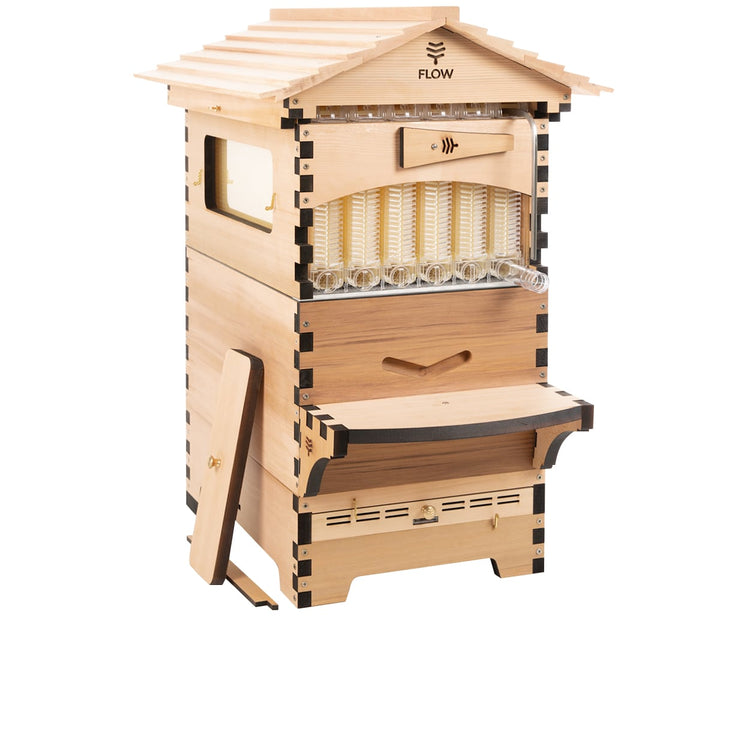
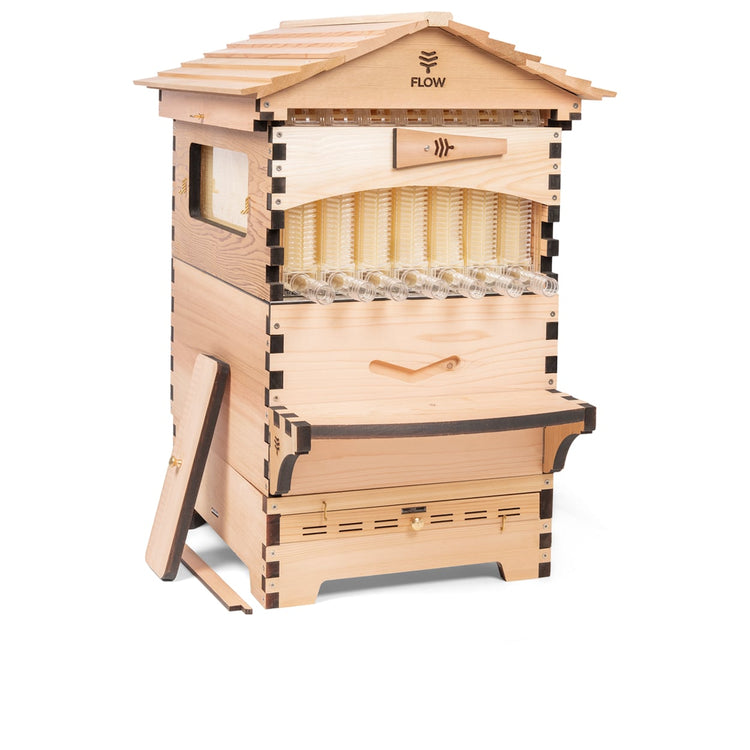


Our premium Flow Hive – crafted from western red cedar and packed with thoughtful innovations.
 $27/mowith free trial


Our revolutionary Flow Hive design provides a solution for harvesting honey that’s easier for the beekeeper and gentler on the bees. The Flow Hive 2+ takes it another step forward.
Made from premium western red cedar, the Flow Hive 2+ is packed with innovative hive features to help you take great care of your bees.
Includes:
• Innovative base design
• Flow Super
• Flow harvesting shelf brackets
• Flow’s unique gabled roof design
• Durable brass hardware
• Optional* hive stand with ant guards
Our premium hive is perfect for beginners or experienced beekeepers – available in both 6 and 7 frame sizes to suit your beekeeping needs.

“This has all come about because of our love for the bees and an acknowledgement of how important they are, not only to the food we eat, but to all life on Earth.”
- Stuart Anderson

“If we look after the bees, they’ll look after us. And the honey really is an amazing bonus.”
- Cedar Anderson
Included with the purchase of any Flow Hive is our Bee Supported package – phone support, Live Q&A streams weekly, prioritised email and live chat.
In addition, our online beekeeping course contains all the knowledge you need to make you a confident, knowledgeable beekeeper.
It is important to understand some basic safety guidelines to ensure that your beekeeping experience is a safe and positive one.
Check out this Flow sponsored safety pamphlet covering common beekeeping safety risks and first aid responses.
We recommend you paint or stain Western Red Cedar hives. As with most outdoor products exposed to the elements, it may require a refresh every 12-24 months depending on local conditions.
Dispatch times below:
6 Frame hive with stand: Dispatches in 1-2 working days
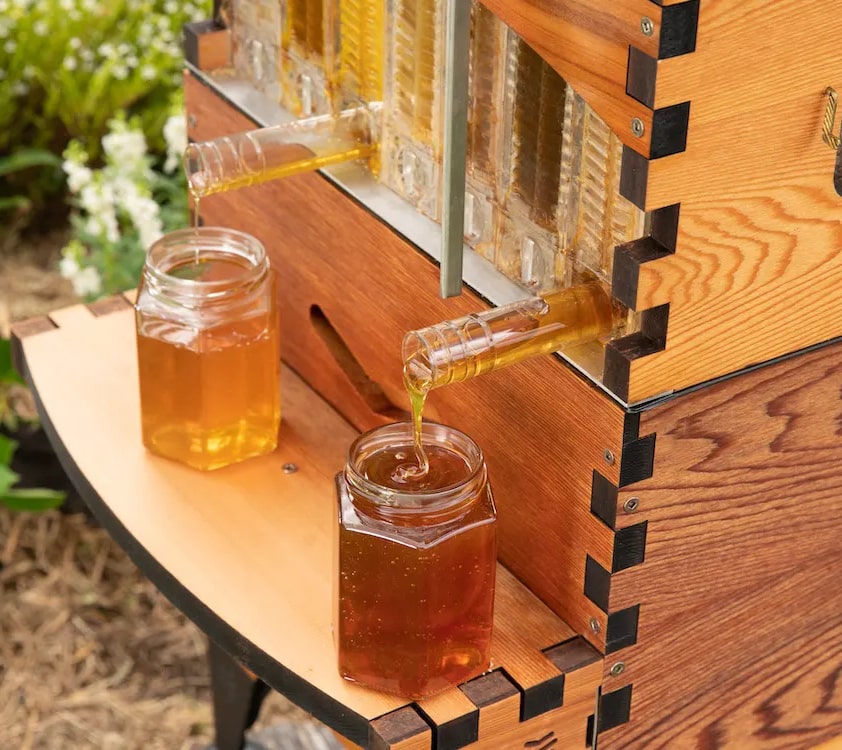
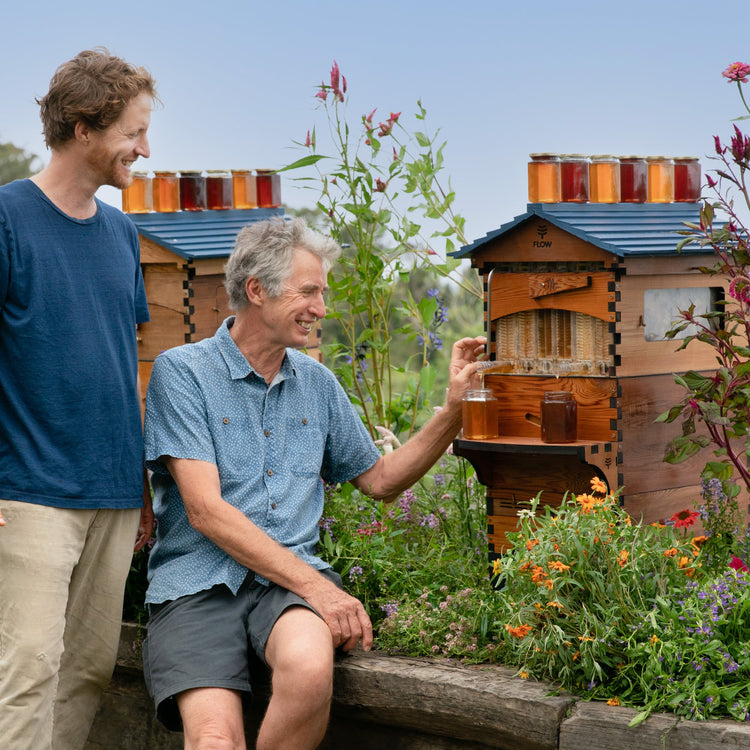
With Flow’s patented technology, you can harvest honey from individual frames directly into your jar – no blending or processing required.
Enjoy pure, unadulterated honey that captures the unique seasonal variations in colour and flavour, from your very own backyard.

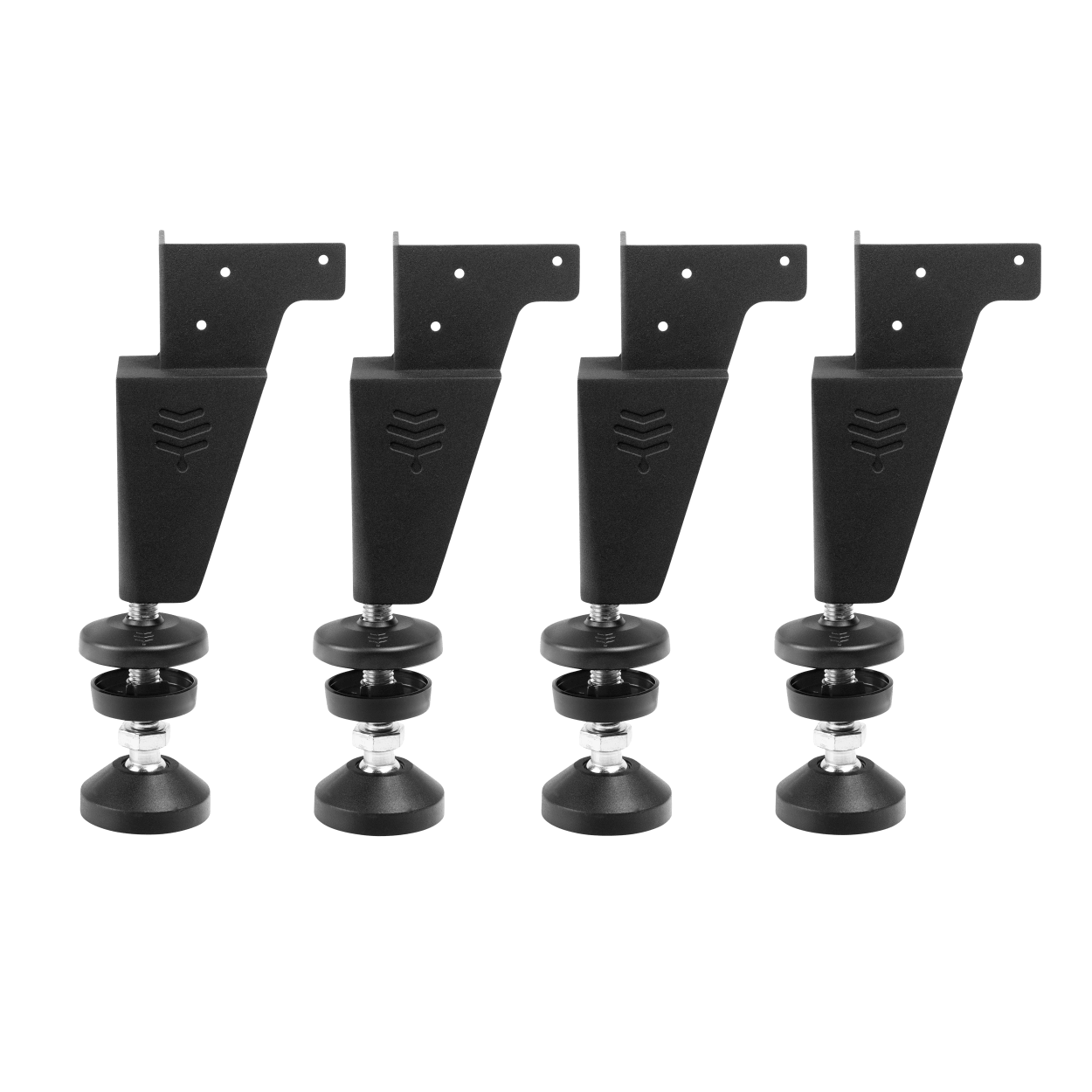
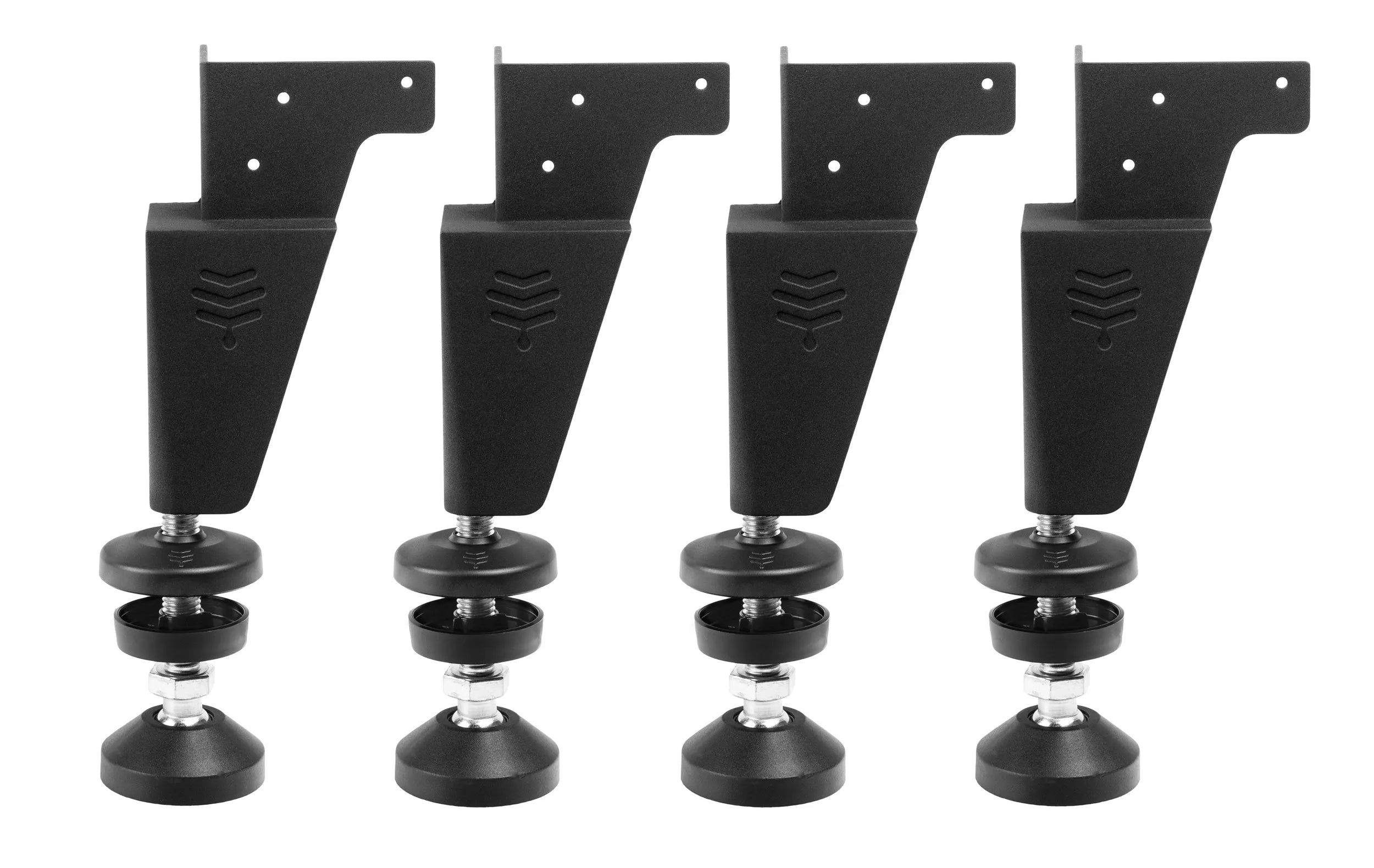
This handy optional* feature allows you to control the height and level of your hive perfectly, ensuring the correct slope for honey harvesting. Keep your hive dry and off the ground, preventing ground-dwelling pests from gaining easy access.
Featuring a Flow Ant Guard® set to give your hive even more protection. Made from powder-coated aluminium, it’s durable and easy to assemble.
(*Hive Stand option only)

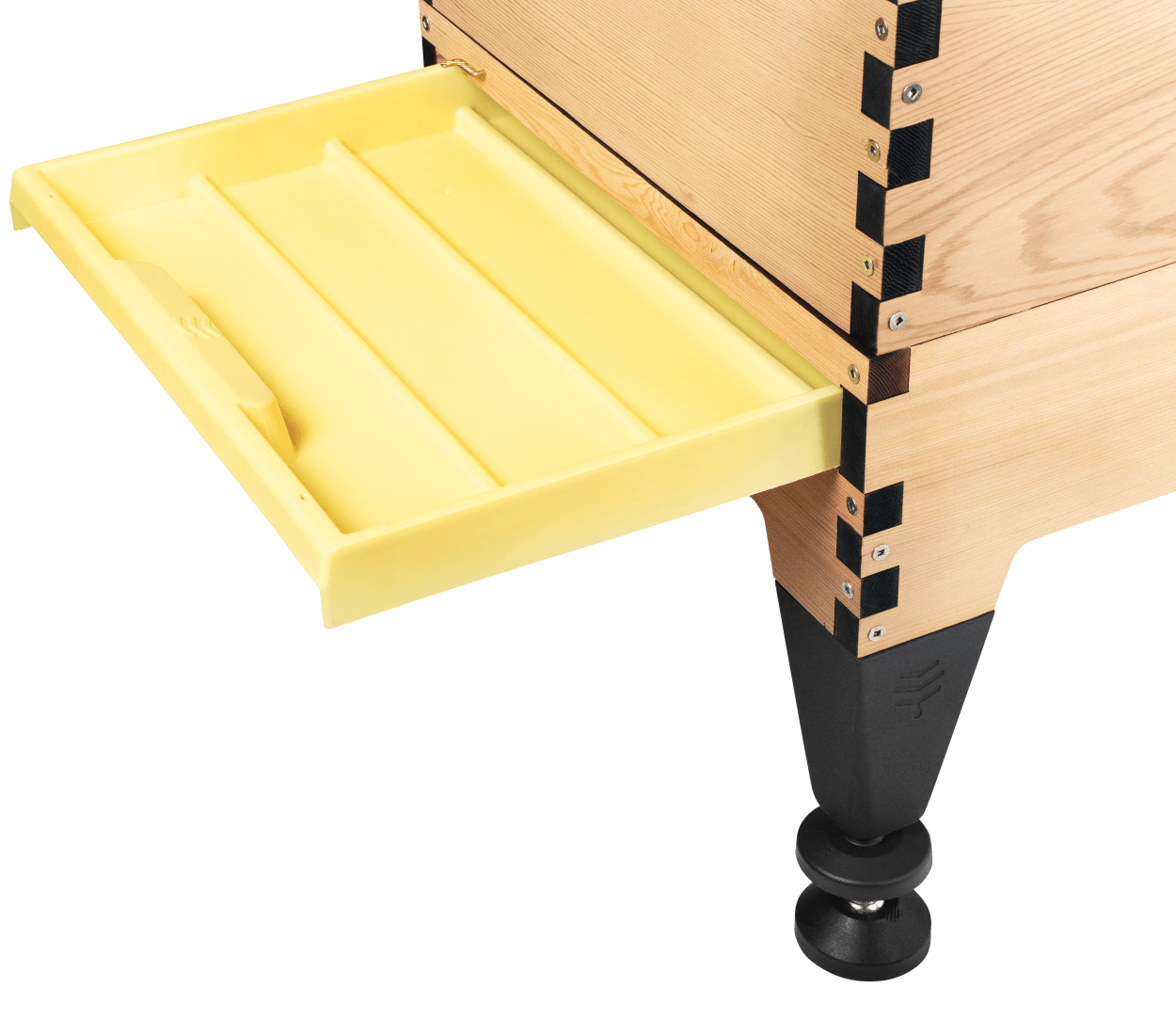
The Flow Hive 2+ base is considerately designed for pest management, ventilation control and functionality. Including spirit levels for gaining the optimal hive set-up, a multifunctional tray for hive observations and applying pest treatments, and ventilation controls to suit every climate.

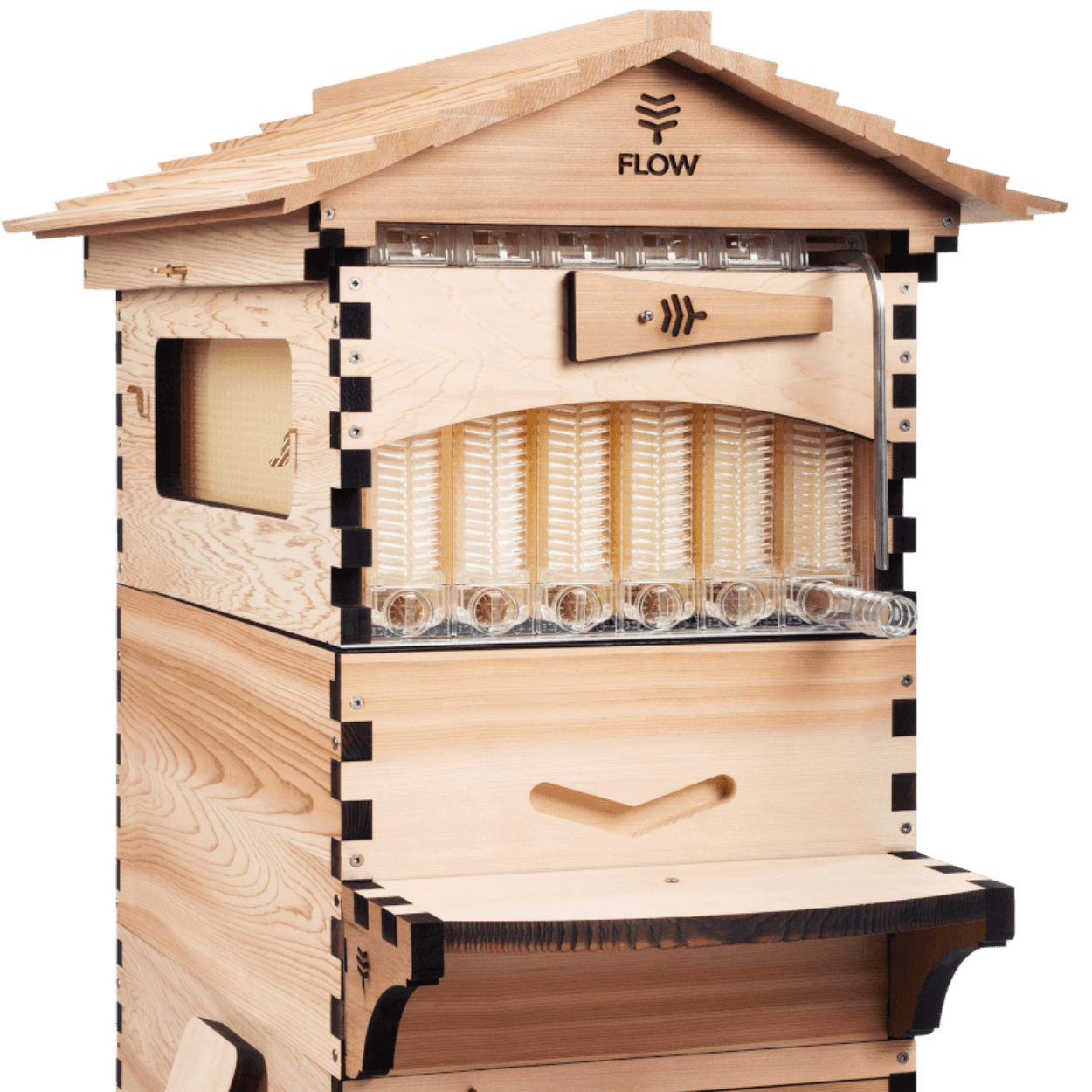
Created from highly durable, sustainably sourced, A-grade western red cedar, the Flow Hive 2+ is laser-cut and built with precision by us in Australia.

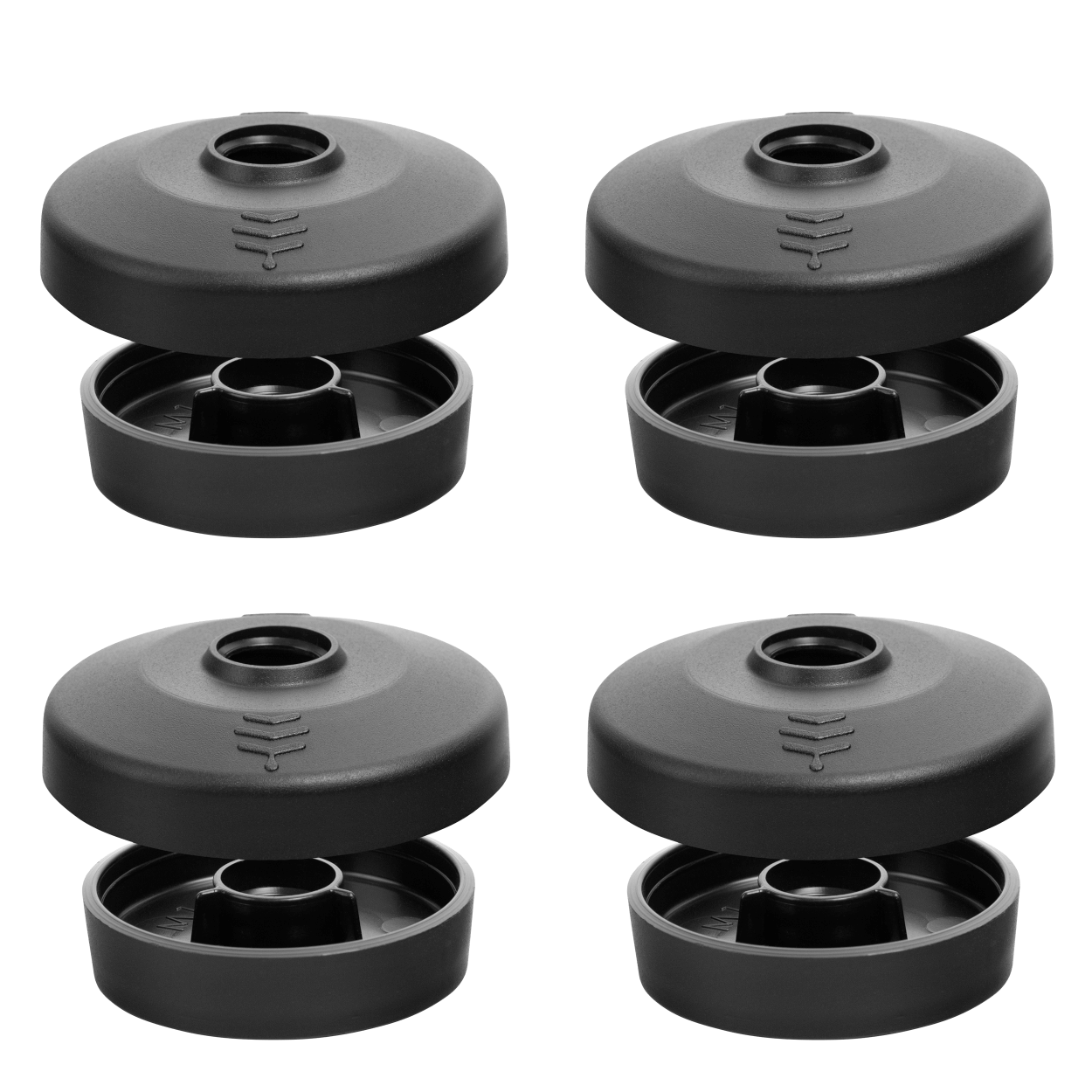
An elegant solution to keeping ants out of your hive. Your hive comes with an adjustable Flow Ant Guard® set* , made from 100% recycled polypropylene. Guards provide a space for creating a liquid ant barrier on the legs of your hive stand.
(*Hive Stand option only)


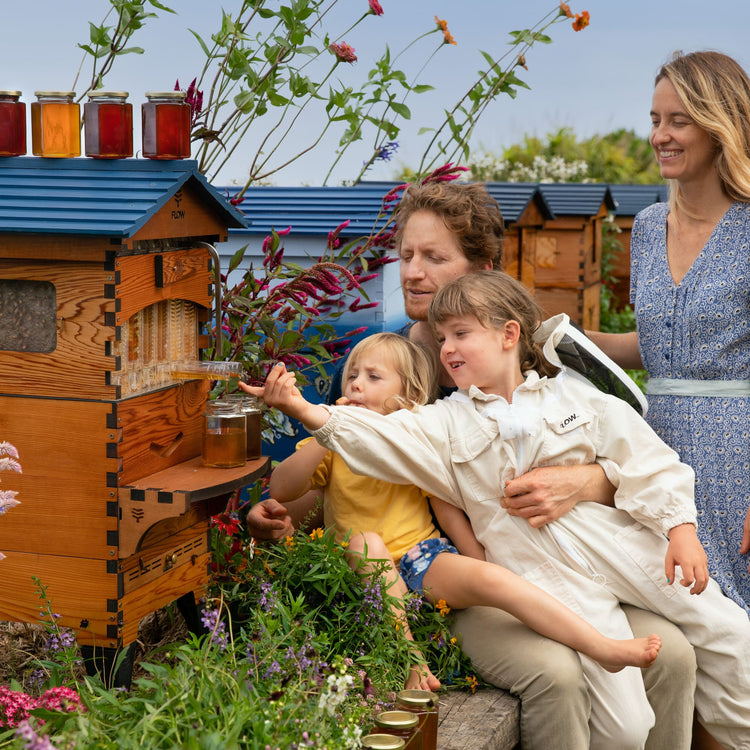
Thousands of Flow Hive 2+ beekeepers are now caring for their bees and harvesting their own unique honey.

Nearly 30 pints, and not a single bee disturbed! Here’s to more pollination in the…
Read more


We just harvested our first two frames and have been giving honey to all our…
Read more
If you do the research and use it as it should be used you will…
Read more

The whole family got involved with this evening's harvest from the hive. Around 9kg of…
Read more

The whole flow frame idea is just awesome. Really enjoying the bee keeping experience. I…
Read more


We took the bee keeper classes offered by Flow and assembled the hive over winter.…
Read more


We have a three-acre family homestead in Charlotte, NC, where we currently keep six hives.…
Read more

A very fresh newbie and taught from reading books and internet video's from the flow…
Read more
From delivery to to assembly to support to the online beekeeping course, I’m very happy…
Read more
I included photos, so tired of hearing it's too good to be true. It's simple…
Read more
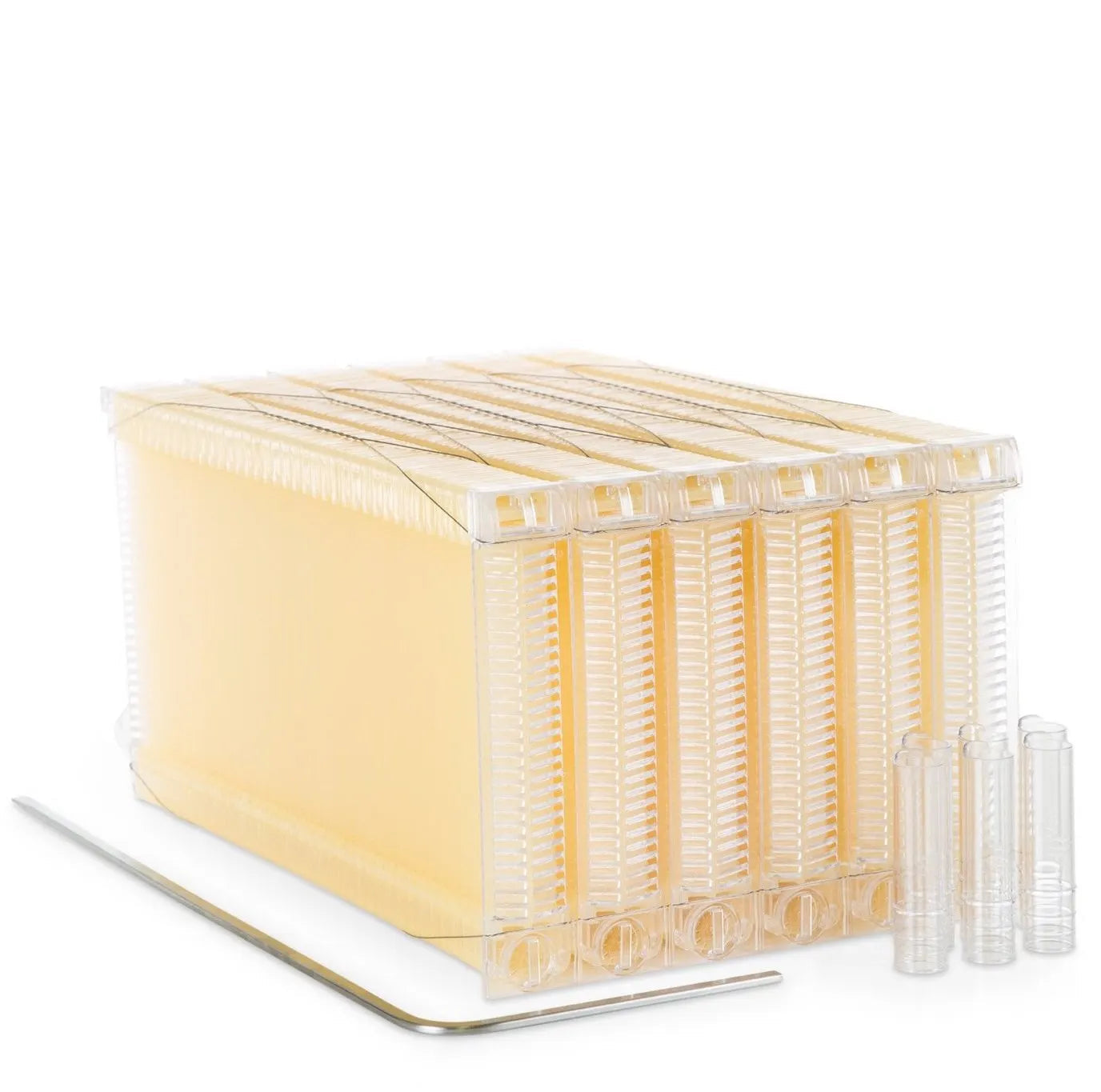
Flow Frames and Flow Tubes - 6 or 7

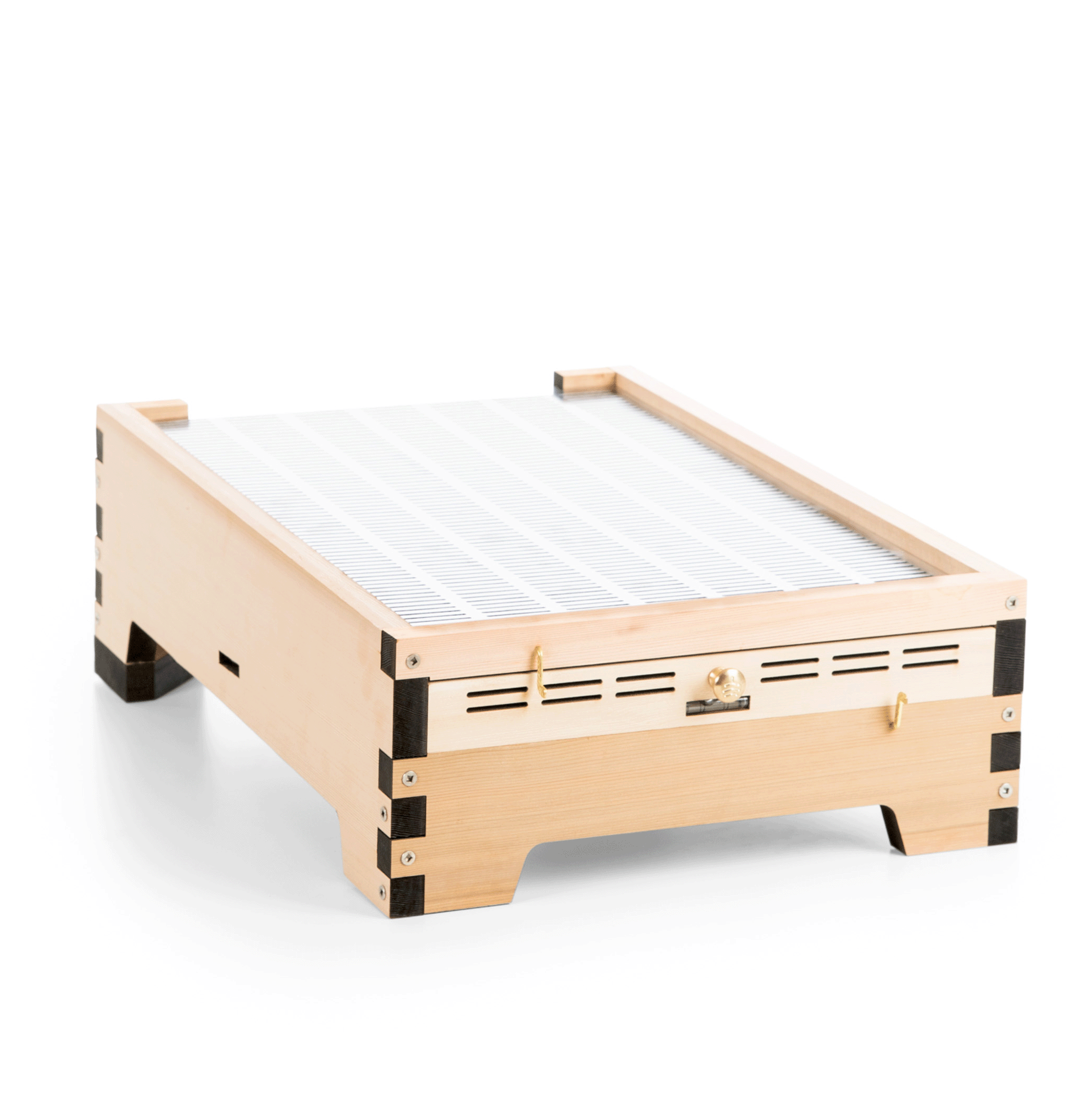
Flow Hive 2+ Base w/ levels, ventilation


Flow Hive 2+ Flow Super


Flow Hive 2+ brood box with brood frames


Flow Hive 2+ gabled roof

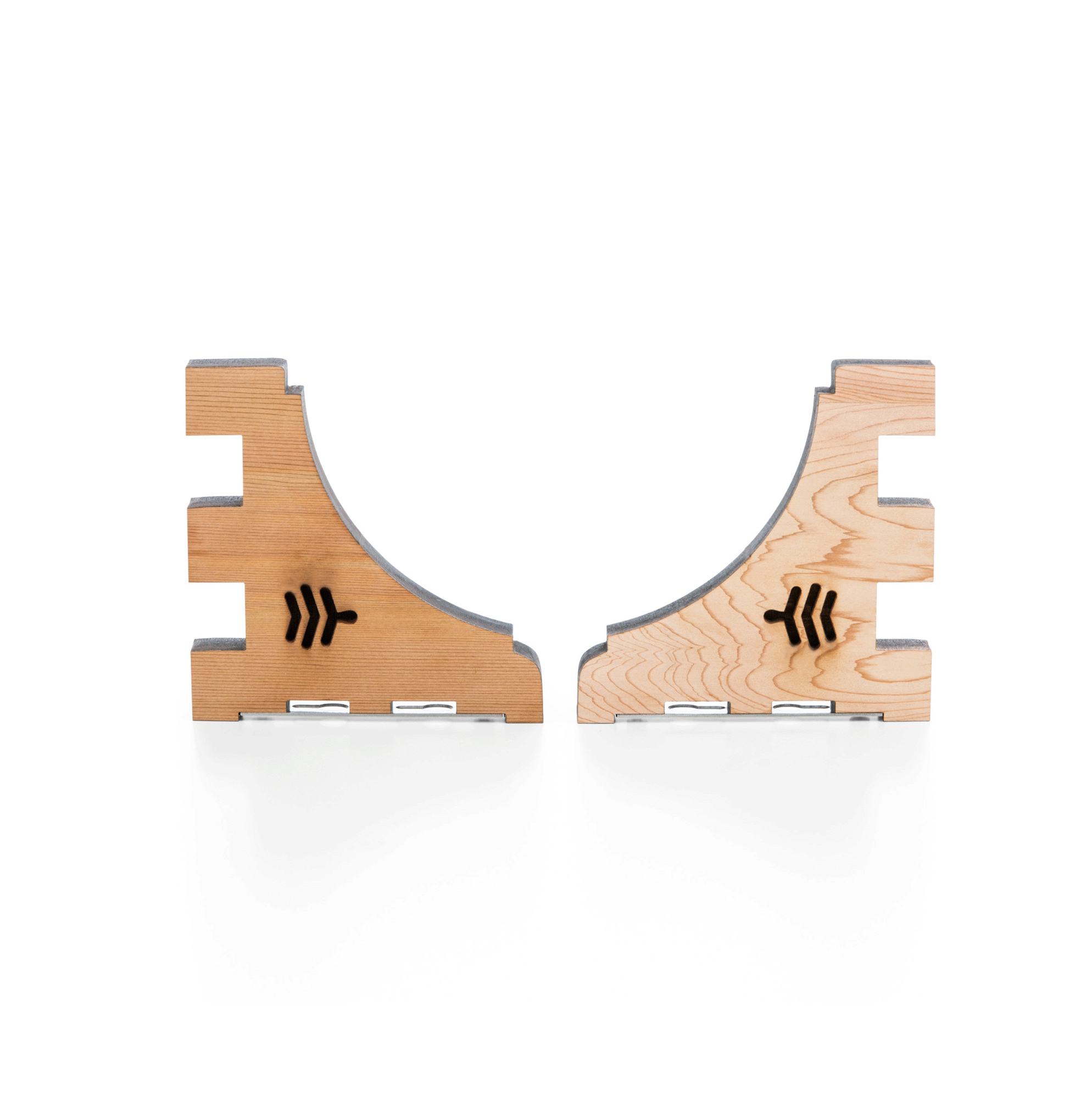
Harvesting shelf brackets


Adjustable hive stand (Optional)


Flow Ant Guards


Flow Multifunctional Tray

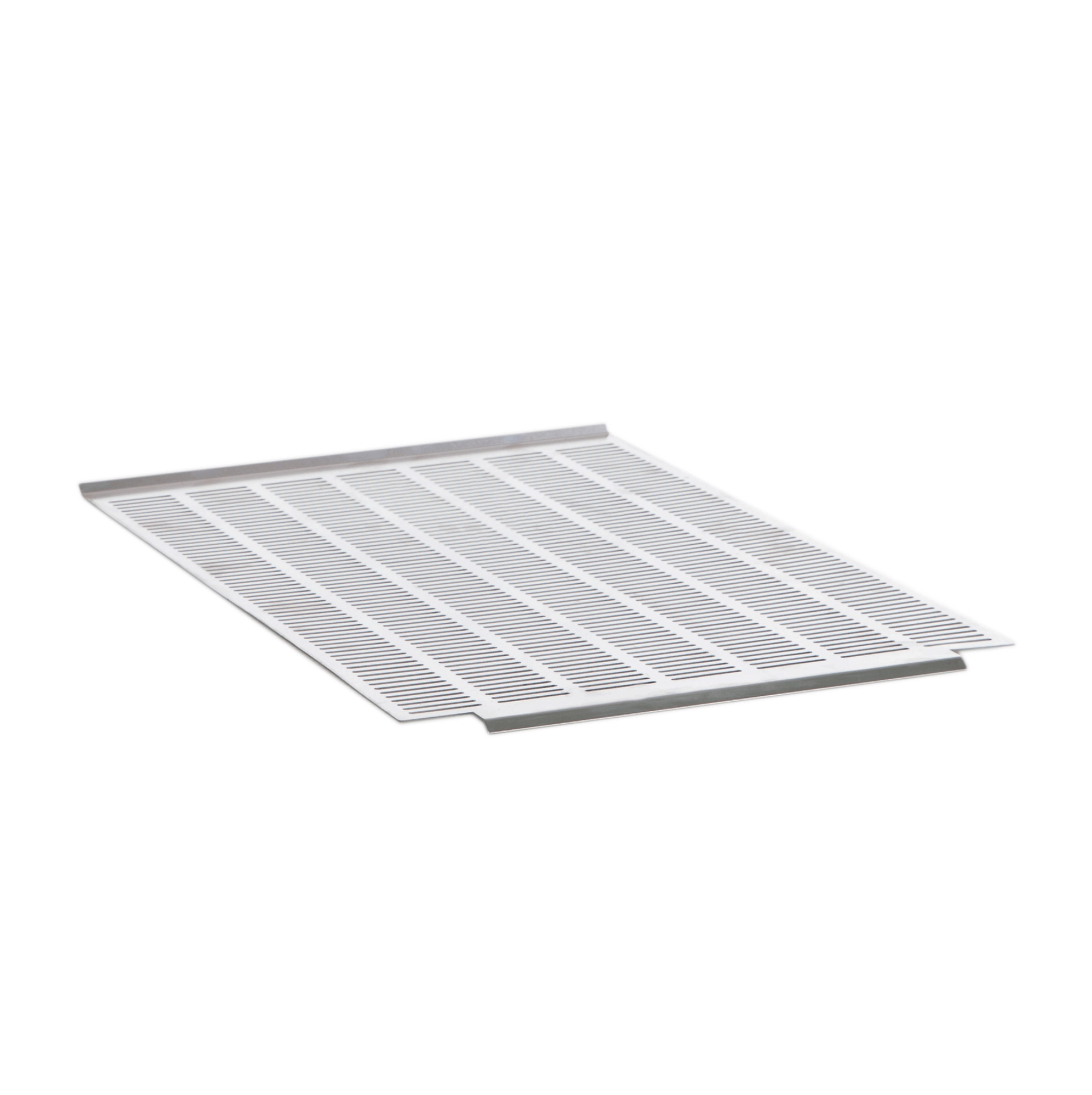
Mesh screen base

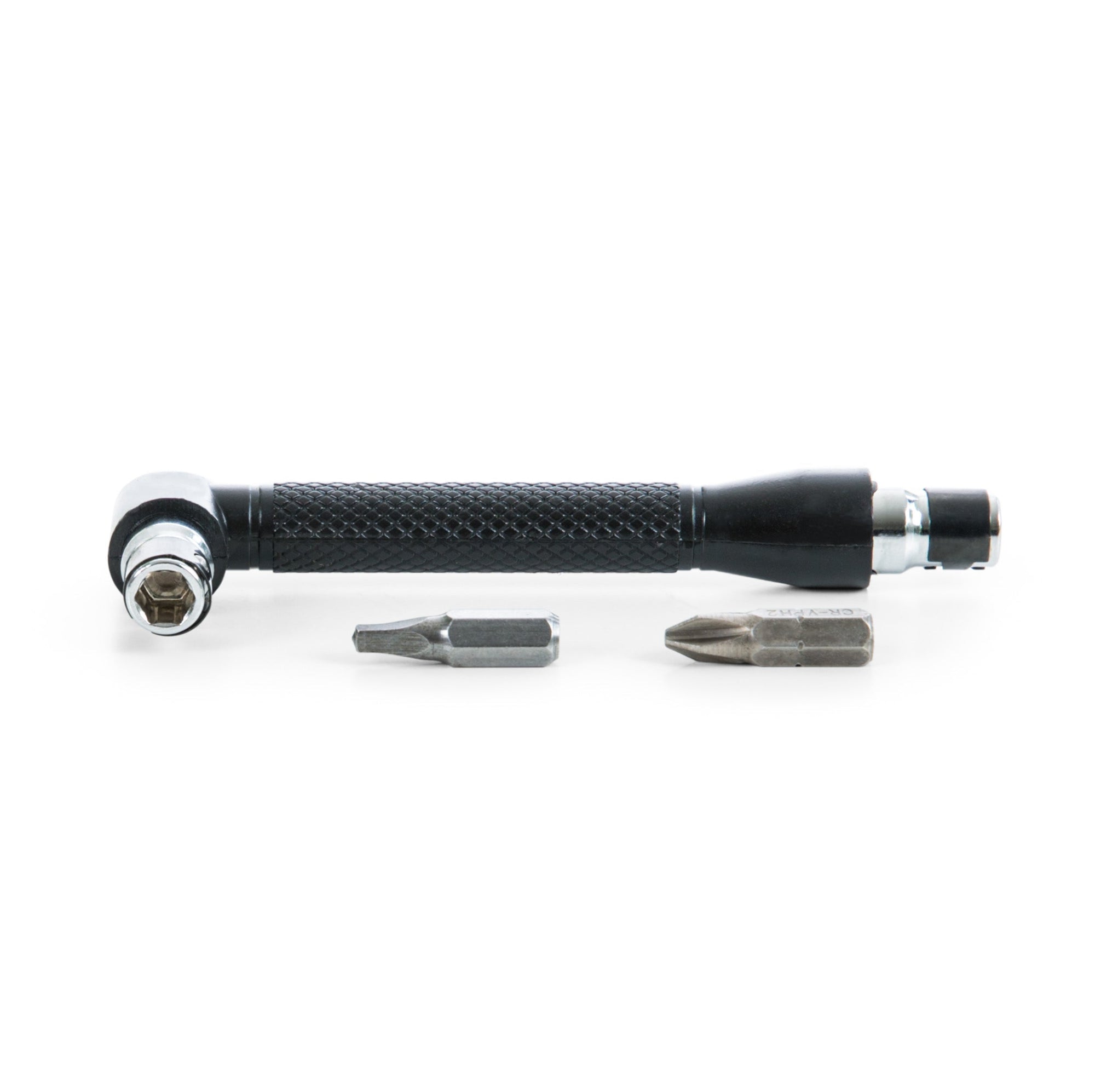
Flow Assembly Tool


Flow Key

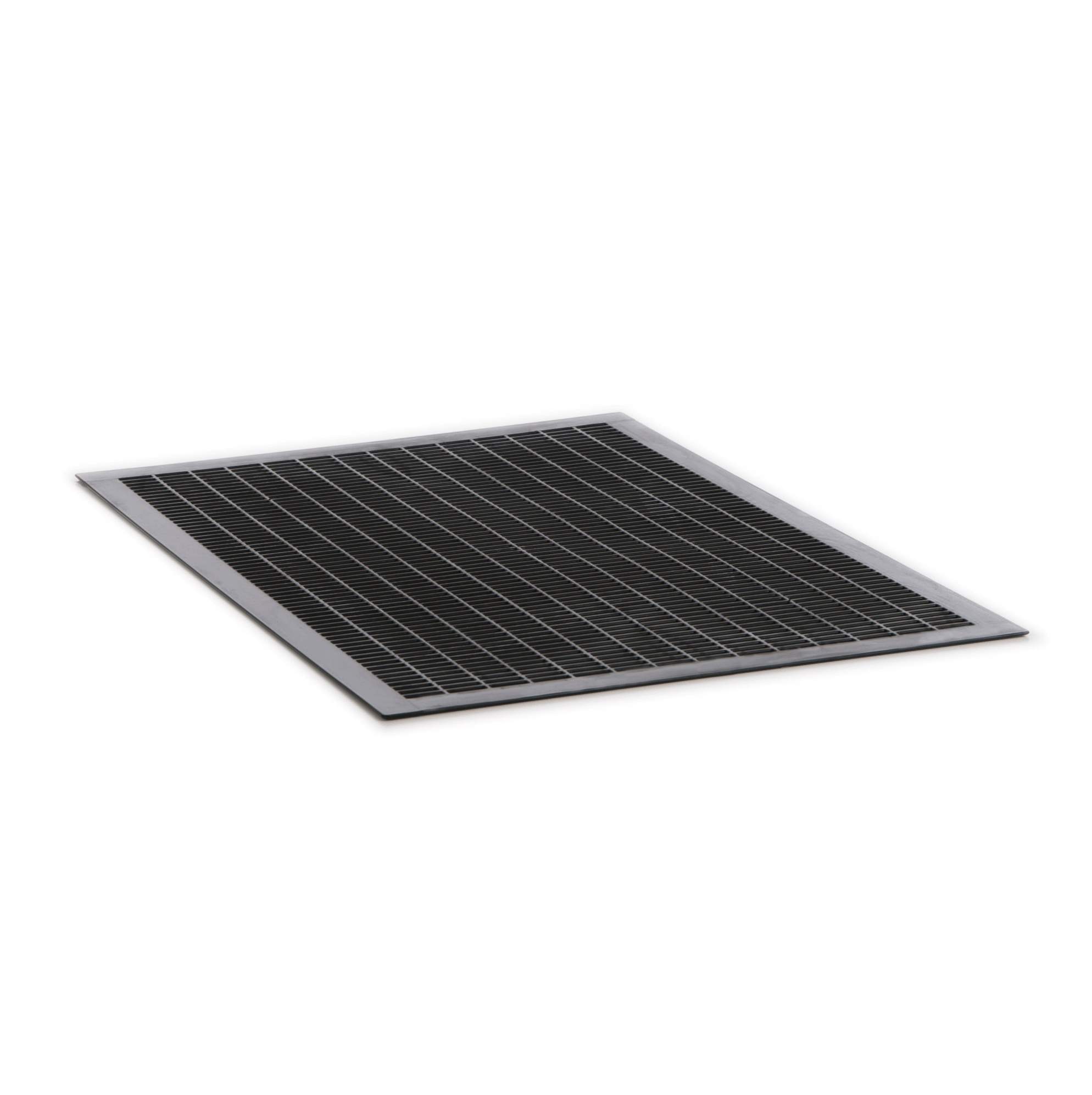
Queen Excluder

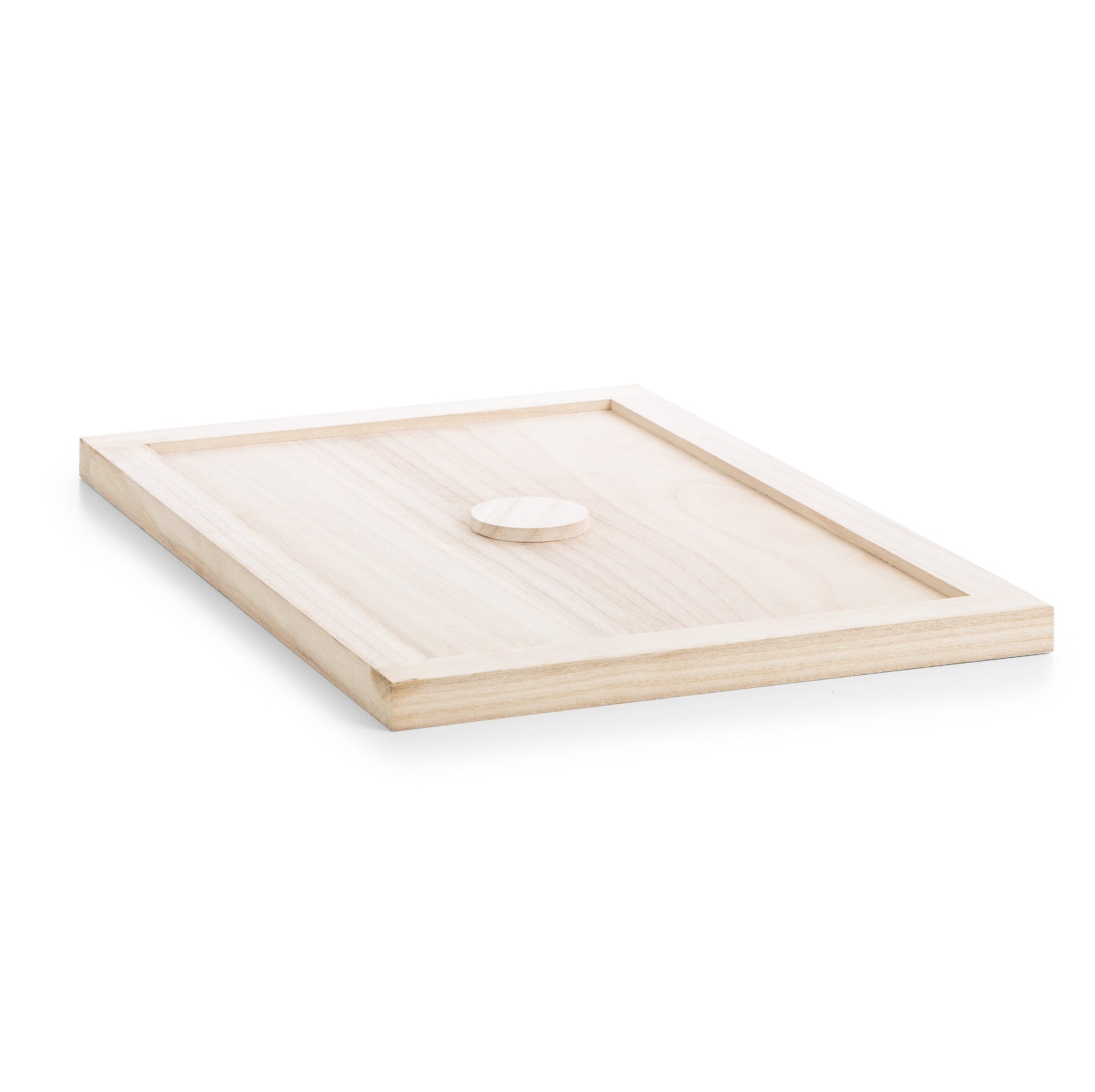
Inner cover w/ ventilation plug
Ready to take the first step? Learn beekeeping terminology – from queen excluders, to drone bees and all the parts of a beehive – by downloading our simple PDF guide to beekeeping to start your journey today.
Our premium Flow Hive 2+ includes extra features to make taking care of your bees even easier, and is manufactured using western red cedar (Thuja Plicata). Sustainably sourced in North America, cedar is a beautiful timber with a remarkably fine and stable grain structure.
Cedar is often used as a hive timber in the USA, UK and other regions, because of its durability and insulative properties.
The wood includes beautiful, rich colour variation ranging from yellowish-white colour to a pale brown through to a richer dark brown. As this product is made from naturally grown resources – each hive will be slightly different in character. You can maintain a natural timber finish by oiling or staining to accentuate its natural colour variations.